
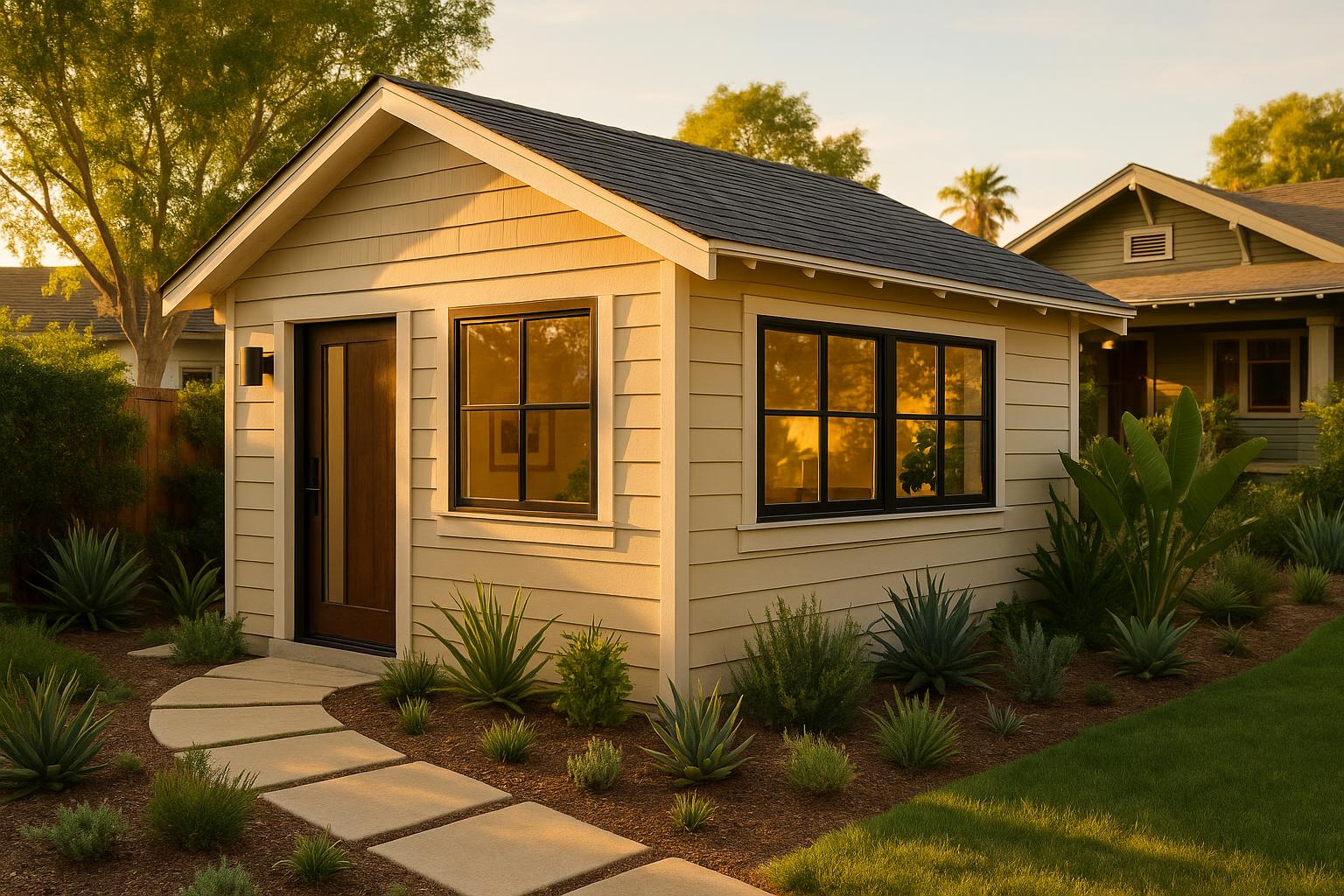
Why San Diego Homeowners Are Converting Their Garages
With San Diego's housing costs continuing to climb and available land at a premium, more homeowners are looking inward — literally — to find extra living space. Garage conversions have become one of the most popular remodeling projects in the region, and for good reason. That underused two-car garage could become a rental unit, a home office, a guest suite, or a private retreat for a family member.
But before you start clearing out the holiday decorations and old surfboards, there are important steps to consider. A successful garage conversion requires thoughtful planning, an understanding of local building codes, and a clear vision for how the space will serve you. Let's walk through everything you need to know.
What Exactly Is a Garage Conversion?
A garage conversion transforms an existing attached or detached garage into a fully functional living space. Unlike a simple garage makeover — where you might add shelving or epoxy the floor — a true conversion involves bringing the space up to residential building standards. That means proper insulation, heating and cooling, electrical upgrades, plumbing (if needed), flooring, windows, and finished walls.
In many cases, San Diego homeowners convert garages into:
- Accessory dwelling units (ADUs) with a kitchen and bathroom for rental income
- Home offices or studios for remote work or creative projects
- In-law suites for aging parents or adult children
- Playrooms or media rooms for growing families
- Home gyms with proper ventilation and flooring
The end use will significantly affect the scope of work, the permits required, and your overall budget.
Understanding San Diego Permits and Regulations
One of the biggest questions we hear from homeowners is whether they need a permit for a garage conversion. The short answer: yes, almost always. The City of San Diego requires building permits for any project that changes the use of a space, and converting a garage to habitable square footage definitely qualifies.
Here's what you should know about the permitting landscape:
ADU-Specific Rules
If you're converting your garage into an ADU, California state law has made the process significantly easier in recent years. Senate Bills 9 and 13, along with Assembly Bill 68, removed many of the barriers that previously made ADU construction difficult. In San Diego specifically, the city has streamlined its ADU permitting process, and many garage-to-ADU conversions are now exempt from development impact fees.
Parking Requirements
Historically, one of the biggest hurdles was replacing the lost parking spaces. However, under current California ADU law, the city cannot require replacement parking for garage conversions in most cases — especially if your property is near public transit. This single change has made garage conversions far more feasible for homeowners in neighborhoods like Clairemont, Pacific Beach, and Point Loma.
Setback and Zoning Considerations
Existing garages that are already built typically enjoy what's called a "grandfathered" status regarding setbacks. This means even if your garage sits closer to the property line than current zoning would allow for new construction, you can usually still convert it. However, expanding the footprint would trigger new setback requirements.
We always recommend consulting with a knowledgeable contractor or the city's Development Services Department early in the process to avoid surprises.
Budgeting for Your Garage Conversion
Garage conversions are generally more affordable than building a new addition because the basic structure — foundation, walls, and roof — already exists. That said, costs can vary widely depending on the scope of work.
Here are the major cost factors to consider:
- Foundation work: Garage slabs are often thinner than what's required for living spaces. You may need to raise or reinforce the floor.
- Insulation and drywall: Most garages have unfinished walls and no insulation, both of which are essential for comfort and code compliance.
- Electrical upgrades: Garages typically have minimal electrical service. Adding outlets, lighting, and dedicated circuits is standard.
- Plumbing: If you're adding a bathroom or kitchenette, plumbing is one of the larger line items.
- HVAC: San Diego's mild climate helps, but you'll still need heating and cooling to meet habitability standards. A mini-split system is a popular and efficient choice.
- Windows and ventilation: Building code requires a minimum amount of natural light and ventilation in habitable rooms, so you'll likely need to add or enlarge windows.
- Flooring: Replacing or covering the concrete slab with proper flooring makes the space feel like a real room.
For a basic conversion without plumbing, homeowners in San Diego might spend between $30,000 and $60,000. A full ADU conversion with a kitchen and bathroom can range from $80,000 to $150,000 or more, depending on finishes and complexity.
Design Tips to Maximize Your Converted Garage
A well-designed garage conversion shouldn't feel like a converted garage. Here are some design strategies that make a real difference:
Raise the Ceiling If Possible
Many garages have open rafters or trusses that allow you to vault or raise the ceiling, creating a more spacious feel. Even adding a few inches of height can transform the room.
Be Strategic with the Entrance
If the space will be used as an ADU or rental unit, consider adding a separate entrance that doesn't require walking through the main house. For neighborhoods like La Jolla or Mission Beach where properties are close together, a well-placed side entry can provide privacy for everyone.
Maximize Natural Light
Garages tend to be dark. Adding windows, a glass door, or even a skylight will make the space feel open and inviting rather than cave-like. This is especially important in San Diego, where natural light is one of the best features of living here.
Plan for Storage
You're losing your garage, which means you're losing storage. Build in closets, shelving, or consider adding a small shed elsewhere on the property. Planning for this upfront prevents regret later.
How a Garage Conversion Adds Value to Your Property
Beyond the immediate benefit of extra living space, a garage conversion can significantly boost your property's value. In San Diego's competitive real estate market, an ADU or additional living space is a major selling point. Many buyers actively seek properties with income-producing potential or flexible living arrangements.
According to recent data, a well-executed ADU can add substantial value to a home — often exceeding the cost of the conversion itself. Even if you're not planning to sell anytime soon, the rental income from a garage-turned-ADU can help offset your mortgage or fund future home improvements.
Is a Garage Conversion Right for You?
A garage conversion isn't the right move for every homeowner. If you rely heavily on your garage for parking — especially in areas with limited street parking — you'll want to weigh that trade-off carefully. Similarly, if your garage has significant structural issues, the cost to remediate those problems might push the project beyond your budget.
But for many San Diego homeowners, especially those in established neighborhoods with solid existing garages, a conversion is one of the smartest investments you can make. It's faster than a ground-up build, less disruptive than a major addition, and delivers real, usable square footage.
At Oakwood ADU Builders, we've helped homeowners across San Diego — from Pacific Beach bungalows to Clairemont ranch homes — turn their garages into beautiful, functional living spaces. If you're considering a garage conversion and want to understand what's possible for your property, we'd love to help you explore your options.